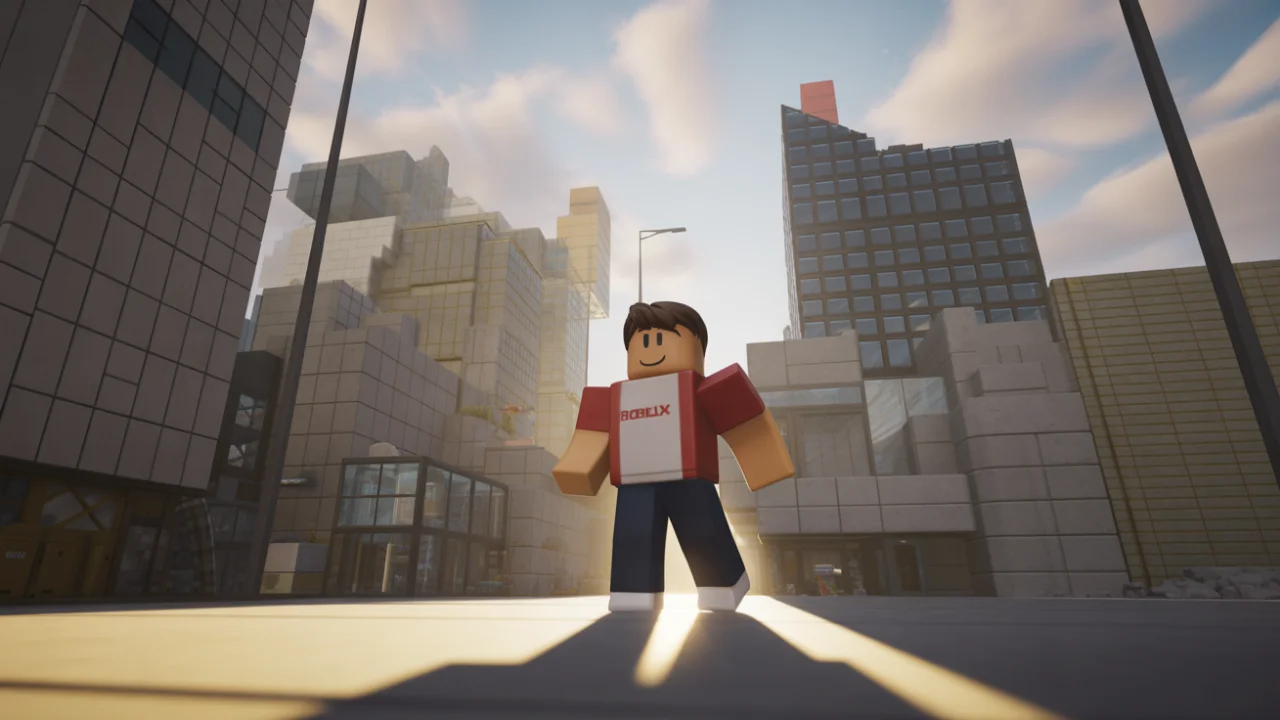
Roblox is going to get really realistic! I'm excited to show you how. real-time rendering, ray tracing, shaders and global illumination They will transform your games and avatars. I'll show you how to apply them. photorealistic textures, to create realistic avatars and use artificial intelligence for more natural animations.
I also explain how to customize clothing and skin with details, as well as tips on... optimization and best practices To keep everything fast and compatible. Come with me and transform your projects. New free animations They have shown how quickly visuals can evolve, opening up new possibilities. This has changed everything in Roblox recently, paving the way for new possibilities.
How I see Roblox becoming so realistic! With real-time rendering
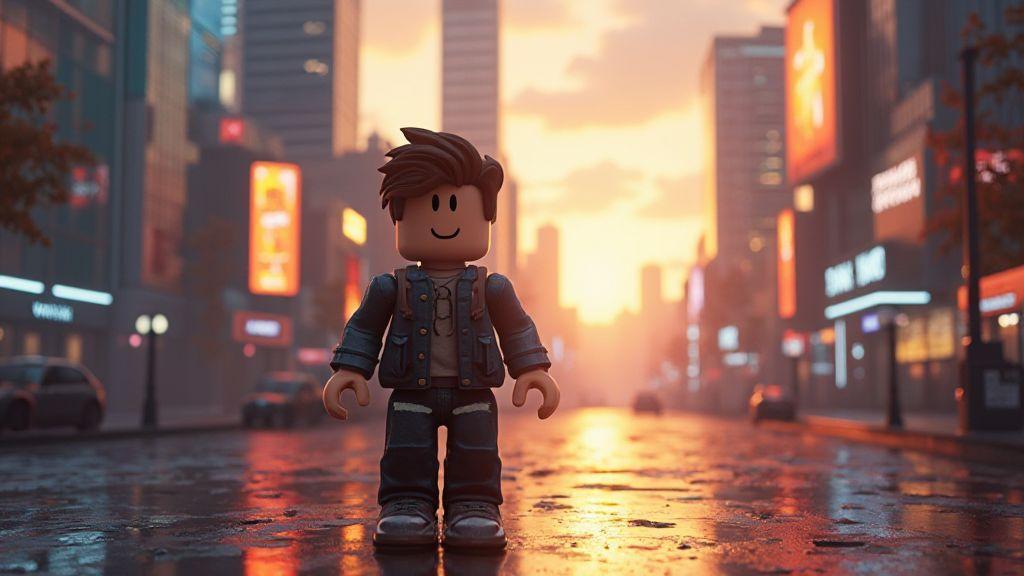
I see Roblox becoming much more realistic when real-time rendering becomes standard. The graphics come to life with smooth shadows, accurate lighting, and textures that look real. The feeling is even stronger in worlds that use modern techniques: everything seems more cohesive, as if I could reach objects with my hand. When the engine renders frame by frame with quality, the gameplay remains fast without lagging. How to solve common problems This can help if you have any performance concerns.
Furthermore, visual feedback tracks my actions: when I move the character, reflections in the environment respond instantly, preventing disconnections between what I see and what I control. I think of it as a living mirror of my world, where every visual decision happens instantly, resulting in a more fluid and immersive experience.
| Content | What to expect |
|---|---|
| Real-time rendering | More realistic graphics, smoother shadows, immediate feedback. |
| Visual interaction | Movement and reflexes respond instantly. |
| Experimentation | Quick tests of lighting, materials and effects. |
How do I use ray tracing in Roblox?
Ray tracing has improved lighting. To use it, I understand that it traces rays from the camera to each pixel, calculating lighting more accurately. I test simple scenes first: a room with a window and a lamp, observing more natural shadows. It takes work to prepare the scene, but the results are worth it: more realistic reflections on polished surfaces and correct transparency in glass.
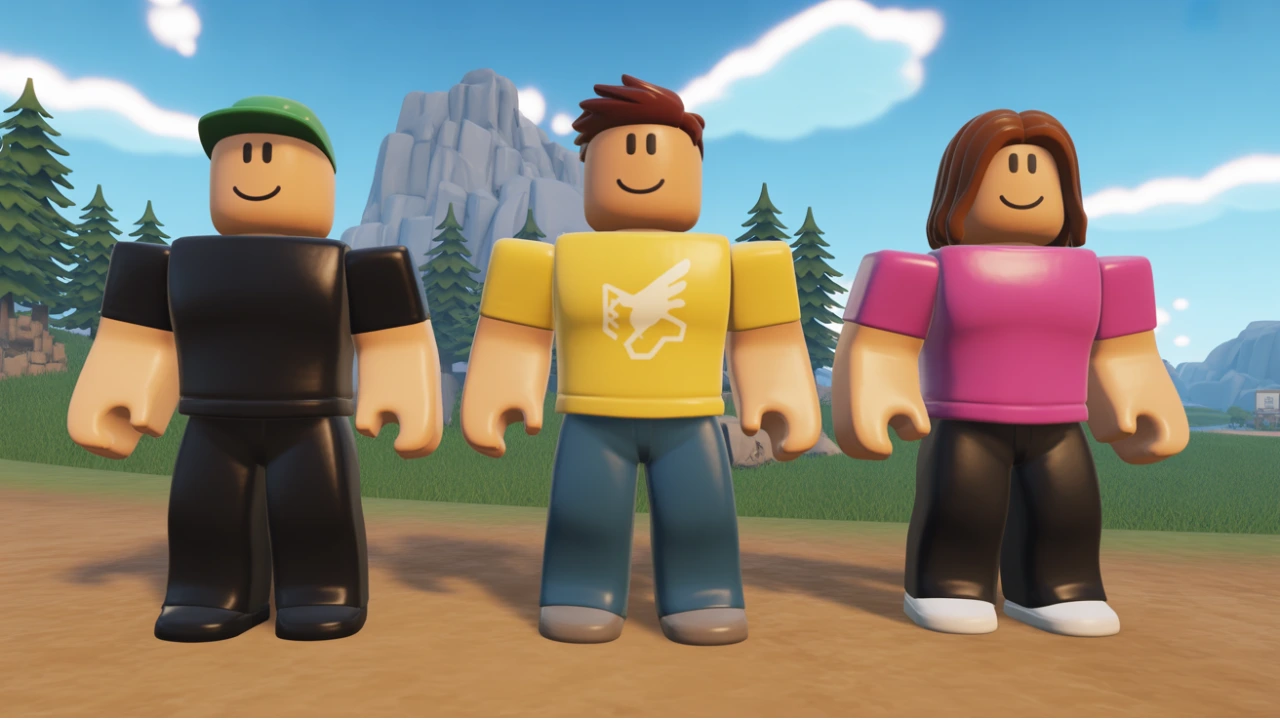
Next, I incorporate ray tracing into key areas of the game, such as interior environments or glowing items. I adjust the shadow intensity to avoid impacting performance. One trick is to use ray tracing only where it matters, keeping the rest with standard rendering. This way, the game looks good without sacrificing gameplay.
I also observe the balance between visual quality and performance. On less powerful devices, I reduce the strokes or disable heavier effects. The important thing is to maintain the feeling of realism without hindering the experience. With this care, Roblox becomes much more immersive without losing fluidity.
How do I apply shaders and global illumination?
Applying shaders is like giving my game its skin tone: they create colors, highlights, and depth. I start with simple shaders to avoid complicating the rendering, using them to enhance the material of surfaces—wood, metal, fabric—giving each one its own character. Global illumination ties everything together, simulating how light spreads and reflects in the scene, not just from direct sources.
To keep everything cohesive, I configure the Global Illumination to reflect the time of day and the scene's weather. If it's late afternoon, the colors become warmer; if it's a cloudy day, everything becomes softer. I also apply soft shadows to avoid the harsh look that breaks immersion. The secret is to maintain balance: shaders enhance the visuals, global illumination provides atmosphere, and together they tell the story of my world.
Consistency is achieved by adjusting each shader's parameters to avoid interfering with gameplay. When everything is aligned, scenes read well from both far and near, maintaining my clear style without sacrificing functionality. In some update reviews, you can see how classic Roblox is back to play, retaining its traditional charm even with modern improvements.
How I apply shaders and global illumination — continued
I like to use ambient occlusion maps to add depth to corners, leaving natural shadows in those areas. Three simple adjustments help: light intensity, color temperature, and the reach of the illuminated areas. If I want a more dramatic look, I increase the contrast between light and shadow; if I prefer a lighter feel, I soften everything.
Over time, I learned to experiment. Sometimes I create a specific shader for one scene and another for open skies. Global illumination helps me transition between styles smoothly, keeping the world cohesive. To keep up with community changes, it's worth looking at content that discusses how Roblox has become a place for the new generation.
How do I implement photorealistic textures?
I start with high-quality textures to establish the visuals. Then I apply detail and normal maps to simulate micro-reliefs without excessively increasing the game's weight. The idea is for each surface to have a tactile feel: wood with grain, metal with scratches, fabric with fibers. This gives the game realism without requiring absurdly powerful hardware.
To maintain performance, I use textures in levels of detail (LODs) that reduce resolution as the camera distance increases. I also use texture compression to reduce memory consumption without sacrificing much quality. The result is a world that feels tangible, with each block having weight and a story.
I test the textures in different scenarios: bright light, cool light, long shadows. This way I can see how the visuals behave in various situations. The goal is that... Roblox is going to get really realistic! without sacrificing gameplay. If you have any doubts about items that seem more realistic, it's worth checking out how to easily test items in Roblox.
How I see Roblox becoming very realistic! in avatars
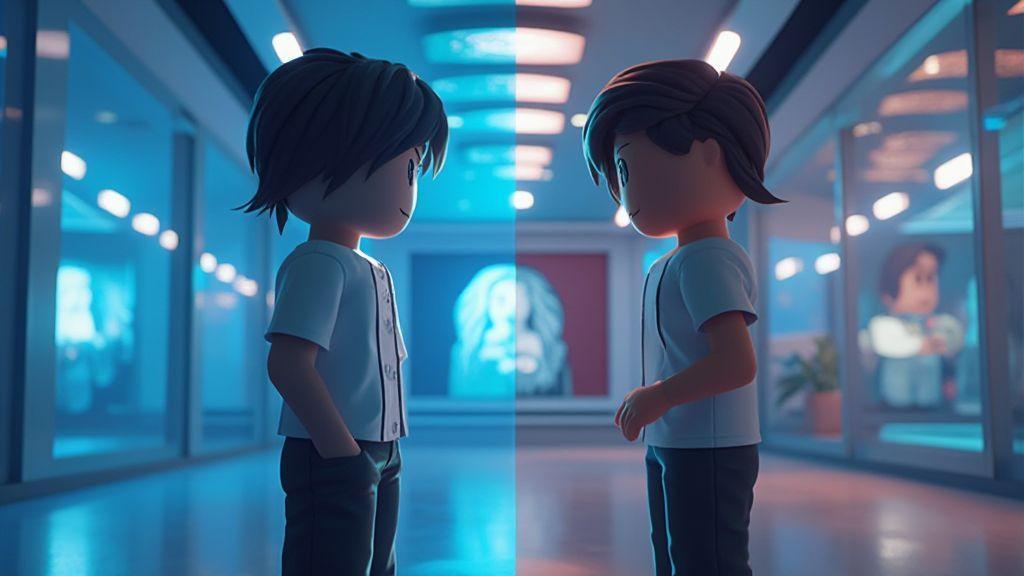
I believe we're entering a phase where Roblox avatars will look increasingly lifelike. With each update, better textures, more natural lighting, and softer shadows add weight to the details. I especially notice how skin, clothing, and accessories gain depth without losing the cartoonish touch that makes Roblox unique.
In the future, I envision characters with more subtle facial expressions, more natural gestures, and a presence that commands attention without abandoning the game's classic style. This balance between realism and original charm is what excites me. Even while maintaining the fun spirit, the visual quality can be much more impressive for those who play with friends.
For me, the secret is understanding that realism doesn't have to be heavy-handed. Roblox is going to get really realistic! It materializes through gradual improvements: skin textures with variations, lighting that respects the game's style, and simple models that don't freeze the computer. I love it when the visuals maintain the identity of each avatar—what they wear, the colors they choose, everything remains recognizable.
The secret lies in increasing detail in specific areas (eyes, lips, hair shading) without turning everything into a movie scene. This makes the game more immersive, but still maintains the fun we all love. It's also worth checking out articles on how Roblox has become a new generation's favorite place to understand this trend.
Compared to other games, small changes often have a big impact. Fans have commented that skins with subtle color variations, well-placed shadows, and ambient lighting have changed the feel of encounters in Roblox. This evolution isn't just visual; it's also about gameplay fluidity, so that the avatar feels alive even in motion.
How do I create realistic Roblox avatars?
I start with a simple base and add subtle layers of detail. I define an elegant yet lightweight body shape. I choose skin textures with slight color variations for a human touch without losing the cartoonish feel. I adjust local lighting to subtly highlight eyes and facial features, keeping the look clean yet with depth.
Next, focus on clothing. Fabrics with subtle folds and simple patterns that don't hinder performance help highlight the avatar's silhouette in different environments. Combine complementary colors, maintaining Roblox's unique style. Finally, add accessories that match the character's personality without overdoing it. This balance makes the creation natural and memorable. If you're interested in content trends, it's worth exploring articles about the best anime games on Roblox to understand what attracts the most audience, keeping the focus on clothing and skin customization.
How I use artificial intelligence for animations
For me, AI facilitates smoother animations, softening movements and generating natural transitions between poses without requiring manual work. The goal is to maintain the game's style while adding more realistic gestures, such as waves or more natural steps. I adjust speed and amplitude to keep them consistent with the design.
I also use AI to break the rigidity of standard animations. Instead of a mechanical walk, I make the transitions between actions more organic, with small nuances that give personality to the character. This also helps in social game situations, where subtle expressions tell the avatar's story. In the end, AI gives you the chance to have more professional animations without losing the practicality of creating them quickly. If you're keeping up with the latest trends, there's content that discusses how new animations impact the gaming experience.
Detailed customization of clothing and skin.
I customize clothing and skin with subtle variations in color, texture, and shine, so that the avatar looks unique without straying from Roblox's aesthetic. I play with layers of color on the skin—soft lights that simulate ambient lighting—to add depth. I add fine shading strokes to the clothing to create the effect of folds without visually weighing it down.
Explanatory table (when useful)
| Area | What do I do? | Why it works |
|---|---|---|
| Skin | Textures with variations in color and soft lighting. | It enhances depth without losing the cartoonish style. |
| Clothes | Subtle folds, simple patterns, controlled shadows. | Maintains a realistic appearance without compromising performance. |
| Animations | AI to smooth gestures, natural transitions. | More fluid and expressive movements |
| Accessories | Few well-chosen items. | Clear customization without overwhelming the look. |
How will I transform my games with advanced 3D graphics?
I'm excited to take my Roblox games to the next level with advanced 3D graphics. First, I'll use more detailed 3D models and high-quality textures to create immersive environments. I want to maintain consistency: each element works well together without overwhelming the player. I invest time in lighting—soft shadows, realistic reflections, and a coherent palette help make everything convincing. I also organize my assets so that the scene doesn't impact performance. If you have any questions, look for performance support content with articles on how to solve common Roblox problems.
To maintain a balance between quality and performance, I prioritize details where they matter: central characters, key items, and important game areas receive more detail. I use LOD (Line of Detail) to reduce the geometry of distant objects without the player noticing. Quick feedback reviews help adjust the draw distance and visual effects. I test on different devices to understand where I can improve the frame rate without sacrificing aesthetics. In particular, if you are concerned about hardware orientation, follow the optimization tips for real-time rendering.
I also follow a progressive optimization routine: I start with basic scenes, generate static lighting when possible, and use stationary shadows to reduce real-time calculations. If necessary, I apply instancing, culling, and texture compression. The result is clear: more vibrant worlds without hindering gameplay. To keep up with the community and news, it's worth checking out content that discusses how Roblox has become the place for the new generation.
| Key topic | What do I do? |
|---|---|
| 3D Assets | I use models with moderate detail and optimized textures. |
| Lighting | I prefer strategic lighting and well-defined shadows. |
| Performance | I apply LOD, instancing, and culling to maintain FPS. |
| Compatibility | Testing on different devices and quality adjustments |
How do I optimize performance for real-time rendering?
Focus on the game's timeline: I start with a stable frame rate and then add details. I reduce the geometry of distant objects using Level of Detail (LOD) to keep the scene smooth. I also use culling techniques so that the engine doesn't process everything around; only visible elements receive rendering calculations. This cuts resource waste without the player noticing significant quality losses.
Texture management: I compress textures without losing much quality and use mipmaps to reduce aliasing at distances. I organize materials so that each shader is simple enough to run quickly, but still deliver a pleasing visual. When the scene gets heavy, I resort to static lighting instead of dynamic lighting calculations to keep the experience fluid.
To keep everything cohesive, I continue with performance tests on different hardware and game scenarios. I fine-tune quality settings in a granular way: resolution, shadows, atmospheric effects, and post-processing. When gameplay becomes stable, I document the ideal configuration for the team to follow. The goal is to maintain smooth gameplay without sacrificing the visuals I want to deliver. If you want to see practical examples of adjustments, check out the content about the rendering improvements announced by the community.
How do I adapt my games to the Roblox game transformation?
Transforming Roblox games requires adapting high-level techniques to the platform. I leverage Roblox's tools to efficiently manage assets, separating scenes with more detail from simpler ones. I use Lightmaps to illuminate large areas without overloading the renderer. The secret is maintaining consistency between assets, lighting, and performance.
I adapt my workflow for quick updates: when adding new 3D graphics, I perform impact tests on performance before including them in the public build. I have a priority list: what's worth the rendering cost, what can be replaced with lighter options, and what can remain simple to avoid compromising fluidity. With this approach, the game remains stable, even with significant visual improvements.
To maintain compatibility, I follow Roblox's guidelines on supported materials, shaders, and resources. I document the visual changes so the community understands what has changed and why. The transformation is ongoing, but each step respects the Roblox foundation. Who knows, you might find inspiration in content like... Classic Roblox is back to play! To understand how to balance tradition and innovation?
Best practices for performance and compatibility
I start with a simple plan: prioritize the essentials, measure the impact, and iterate quickly. I keep the asset base organized, with clear names. I use caching, scene preloading, and streaming to avoid noticeable pauses during gameplay. In short: less loading, more time playing.
Testing across multiple platforms and devices. I check if the game runs well on different GPUs, CPUs, and connectivity options. I set quality limits that players can adjust, so each user can find the ideal balance between visuals and performance. User experience is a priority: if the game looks good but crashes, I'm not delivering value; therefore, I prioritize stable gameplay. If you want to follow community experiences, it's worth reading about announcements of new voice chat features and how this might impact cross-platform compatibility.
THE Roblox is going to get really realistic! With the right techniques, I can achieve more impressive visuals without sacrificing the platform's flexibility. When I see a balance between graphics and performance working, I validate it with community feedback and continue adjusting. Continuous improvement is key, evolving together with the game and the players. For those looking to keep up with specific feature updates, it may be helpful to explore content about what happened on November 15th on Roblox.
Conclusion
The path to making Roblox truly realistic lies in the combination of... real-time rendering, ray tracing, shaders and global illumination, supported by photorealistic textures and AI for animations. By balancing visual quality with performance and maintaining cross-device compatibility, the experience becomes immersive without compromising gameplay. Avatars come to life with well-designed skin, clothing, and accessories, maintaining Roblox's charm thanks to careful customization and quality control. In practical terms, keeping up with the latest animation and content creation news helps keep the project current, as shown by the content about the new changes that have recently arrived in Roblox.
The transformation is gradual and community-driven: I value feedback, test changes, and adjust focusing on what truly matters to the player experience. With this approach, I continue to evolve my projects to create worlds that feel like they have a life of their own, while maintaining fun and accessibility. I'm ready to keep learning and improving, along with the players. If you want inspiration, check out content about anime games on Roblox and how they influence avatar and clothing designs.
Why Roblox Is Going to Get Really Realistic! matters
Understanding realism in Roblox isn't just about graphics; it's about immersion, performance, and accessibility. Seeing the game gain depth without losing its essence makes the experience more engaging and customizable. Roblox is Going to Get Really Realistic! doesn't have to be demanding—it's possible to balance detail with fluidity, while maintaining the community's enjoyment.
What happens behind the scenes is also important: events, feature updates, and new forms of interaction help keep the community engaged. For example, content about new trends and changes in the Roblox ecosystem helps to understand what's coming, such as voice chat features and other communication functions that are being discussed by the community. To keep up, it's also worth exploring lists of the best anime games on Roblox to get ideas on how to apply varied visual styles with stable performance.